Winter is the most Yin time of the year—quiet, introspective, cold, and deeply restorative.
In Traditional Chinese Medicine (TCM), this season is connected with the Water Element and the Kidney–Bladder system, which governs our deepest reserves: fertility, hormonal balance, bone strength, brain function, and the longevity of our Jing (essence).
Just as nature turns inward—trees drawing their energy to the roots, animals hibernating, the landscape becoming still—this is your time to replenish. Winter invites intentional slowing, nourishing foods, extra rest, and gentle practices that build and protect your foundational Qi.
This guide helps you align your daily rhythms with the season so you can enter spring refreshed, balanced, and resilient.
The Season of Water: Kidney & Bladder in Focus
In TCM, the Kidney is considered the “Root of Life.” It stores our congenital energy (Jing), supports growth, reproduction, fertility, and aging, and influences brain health, bones, hair, hearing, libido, and hormonal regulation. I often tell patients to think of their kidneys as the body’s “battery.”
Winter energetics at a glance:
- Organ Pair: Kidney–Bladder
- Element: Water
- Emotion: Fear (balanced by deep inner wisdom)
- Color: Deep blue/black
- Climate: Cold
- Tissues governed: Bones, marrow, brain
- Sense organ: Ears
Water teaches fluidity, stillness, and conservation. Winter living should reflect those qualities.
How to Care for Yourself in Winter
1. Prioritize Deep Rest
In winter, your body naturally shifts into a restorative mode. Earlier evenings, slower mornings, and gentler daily rhythms help rebuild Kidney Qi and Yin.
Try:
- Sleeping 30–60 minutes earlier
- Reducing overstimulation in the evening
- Restorative yoga or light stretching before bed
- Warm ginger or cinnamon tea
Research supports the seasonal shift toward longer, higher-quality sleep. A 2013 study shows that exposure to natural winter darkness improves melatonin regulation and circadian balance.
2. Eat Warm, Nourishing, Mineral-Rich Foods
Winter diets should be warming, slow-cooked, and grounding. In TCM, black-toned foods are especially supportive of the Kidneys because they reinforce Yin, Blood, and deep reserves.
Best foods for winter:
- Black beans, kidney beans, adzuki beans
- Bone broth, slow-cooked stews, congee
- Seaweed, kelp, nori (rich in iodine and minerals)
- Root vegetables: sweet potato, squash, carrots
- Dark leafy greens, winter mushrooms
- Warming spices: ginger, cinnamon, cardamom, cloves
- Nuts and seeds, especially walnuts and black sesame
Foods to avoid or reduce:
- Smoothies, raw salads, iced drinks
- Excess caffeine
- Excess sugar (depletes Kidney Qi/Yang)
3. Protect the Lower Back & Feet
The Kidney channel runs through the lower back and down to the feet—areas that are easily drained by cold.
Simple winter protection habits:
- Keep your feet warm and covered indoors
- Avoid sitting on cold surfaces
- Wear a layer over your lower back (Kidney area)
- Use a warm compress or moxa for gentle Kidney Yang support
Cold exposure in these areas increases fatigue and slows circulation, which TCM describes as weakening Kidney Yang.
4. Choose Gentle, Qi-Building Movement
Winter is not the time for overly strenuous or depleting workouts. Instead, choose practices that strengthen your reserves without exhausting them.
Ideal winter movement:
- Qi Gong (especially Kidney-strengthening forms)
- Tai Chi
- Yin or restorative yoga
- Gentle Pilates
- Walking in nature at a relaxed pace
A 2020 randomized clinical trial showed Qi Gong significantly reduces stress, improves sleep, and enhances overall well-being—making it an ideal winter practice.
5. Support Emotional Balance
The emotion of the Water element is fear, but when balanced, it transforms into inner wisdom—a grounded, intuitive sense of direction.
Winter emotional practices:
- Journaling
- Meditation
- Spending time in quiet or solitude
- Listening to calming music
- Gentle therapy or reflective conversations
Mindfulness-based practices have been shown to reduce cortisol and calm the nervous system, aligning with TCM’s emphasis on internal quiet.
6. Seasonal Acupuncture for Winter
Acupuncture is especially beneficial in winter to strengthen Kidney Qi and Yin, support immunity, regulate hormones, and calm the mind.
Common winter-focused points:
- Kidney 3 (Taixi): nourishes Kidney Yin + Yang
- Bladder 23: tonifies the Kidneys
- Ren 4 & Ren 6: rebuilds foundational Qi
- Du 4: warms Kidney Yang and supports vitality
- Kidney 27: boosts Lung/Kidney function and immunity
Clinical research supports acupuncture’s role in regulating autonomic function and improving stress response.
Seasonal tune-ups help the body harmonize with winter’s inward, rebuilding energy.
Kidney-Warming Tea: A Simple Winter Ritual
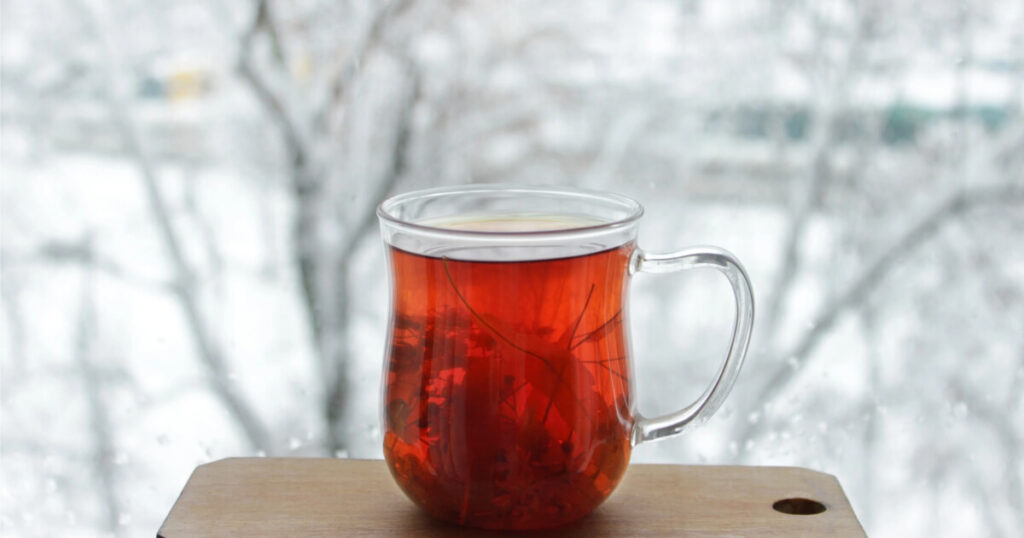
Ingredients:
- 2–3 slices fresh ginger
- 1 cinnamon stick
- 1 tsp goji berries
- ½ tsp black sesame seeds
- Optional: 1 tsp raw honey
Steep for 10 minutes.
Drink slowly.
Let your body soften into warmth.
As You Move Through Winter…
Give yourself permission to:
- Rest more
- Nourish deeply
- Listen inward
- Move gently
- Protect your warmth
- Schedule acupuncture to rebuild your reserves
Spring is the season of growth and renewal—but winter is where that renewal begins.